

News
Opportunities and Challenges Facing China's Micro, Small and Medium Enterprises in the Post-Pandemic Era
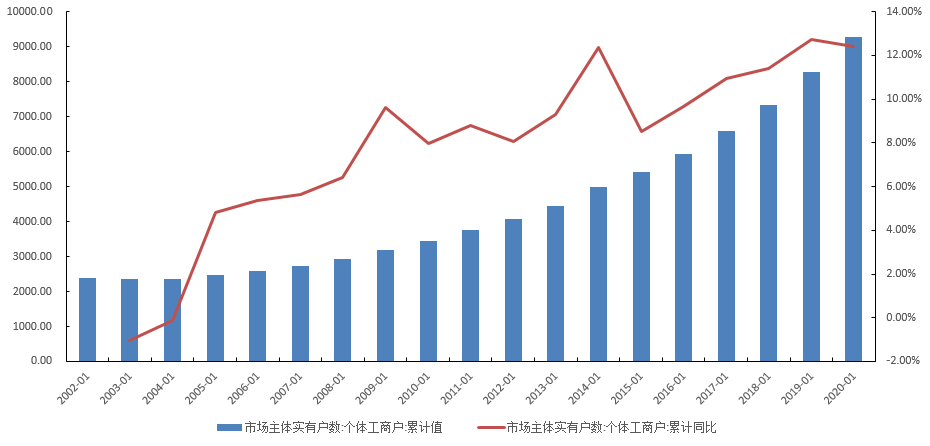
2019 statistics show that there are nearly 100 million individual industrial and commercial households in China, creating about 230 million jobs, accounting for nearly 30% of the total employment in 2019. Individual industrial and commercial households generate an average of 230 million transactions per day, with an annual turnover of 13.1 trillion yuan, accounting for about one-third of the ** total retail sales of consumer goods in 2019.
Figure 1: ** Growth of Individual Industrial and Commercial Households
Source: wind
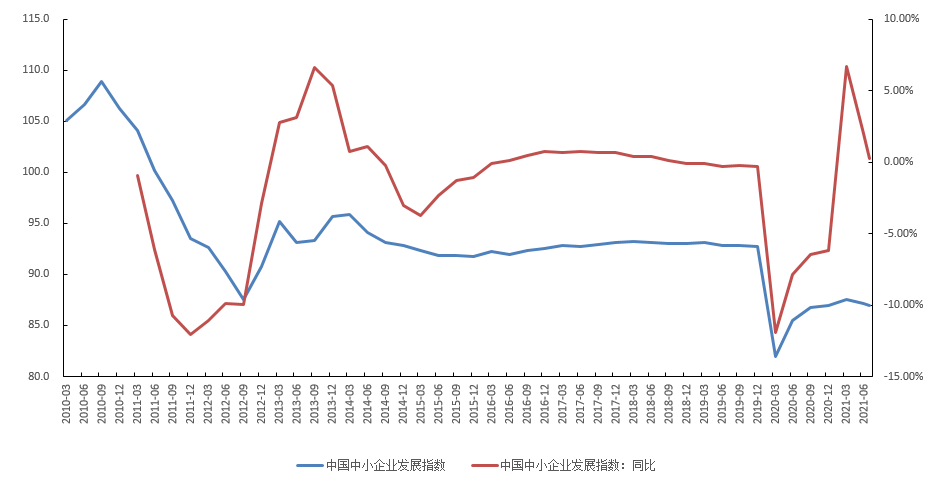
The sudden outbreak of COVID-19 in early 2020 put not only individual industrial and commercial households but also small and medium-sized enterprises (SMEs) in crisis. SMEs are engaged in the service industry, standing on the front line hit by the pandemic. MSMEs are the capillaries of China's economy. They not only solve most of the employment problems, but also are an important source of economic vitality. In 2021, whether they achieved recovery after the pandemic was brought under control and the extent of the recovery are important issues worthy of our attention.
Figure 2: ** The SME Development Index has not yet recovered to the pre-pandemic level due to the impact of the pandemic
Source: wind
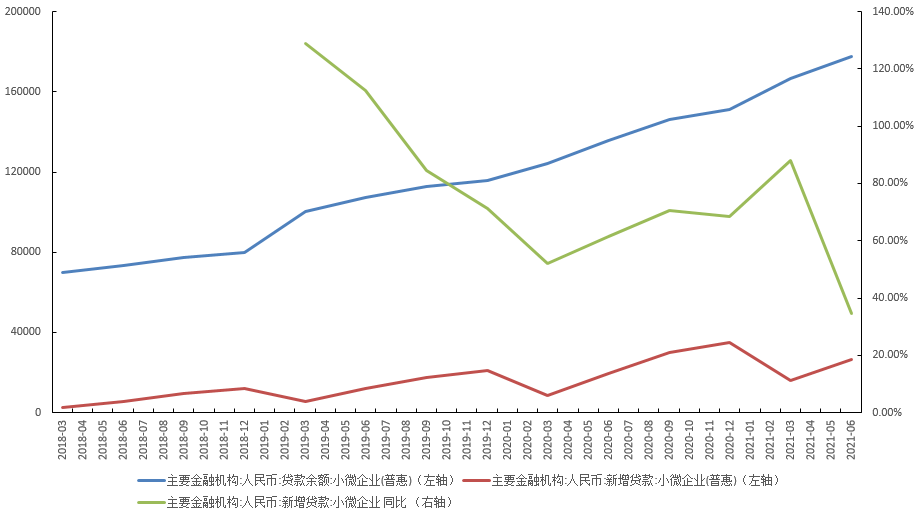
After more than a year of repeated COVID-19 outbreaks, China, as a major economy in the world that has brought the pandemic under control, has largely restored production and business activities, and the operating conditions of MSMEs have improved. However, cash flow problems remain a difficult issue that MSMEs have to face.
Figure 3: Year-on-year growth rate of new loans for micro and small enterprises slows down
Source: wind
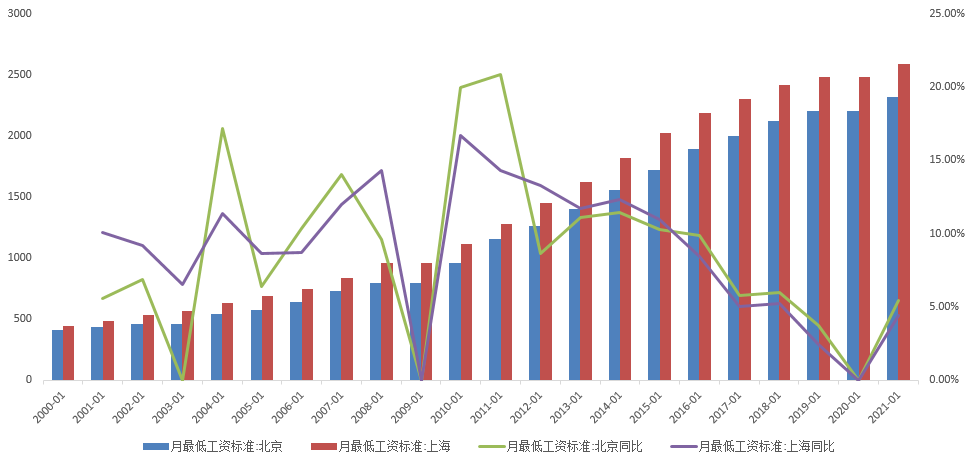
On the supply side, the continuous price rise of bulk commodities has driven the sharp increase in the price of raw materials for enterprise production and operation, increasing the procurement costs of MSMEs; the pandemic has left many enterprises facing a labor shortage, increasing the labor cost of enterprises; in addition, rent cost is also an important consideration that needs to be included in the costs of MSMEs and individual industrial and commercial households. On the demand side, the disruption caused by the pandemic has made it difficult for consumption to get out of the slump. Rising costs and falling demand are the operating difficulties generally faced by MSMEs.
Figure 4: Monthly salaries in first-tier cities Beijing and Shanghai rose by 4.44% after the pandemic
Source: wind
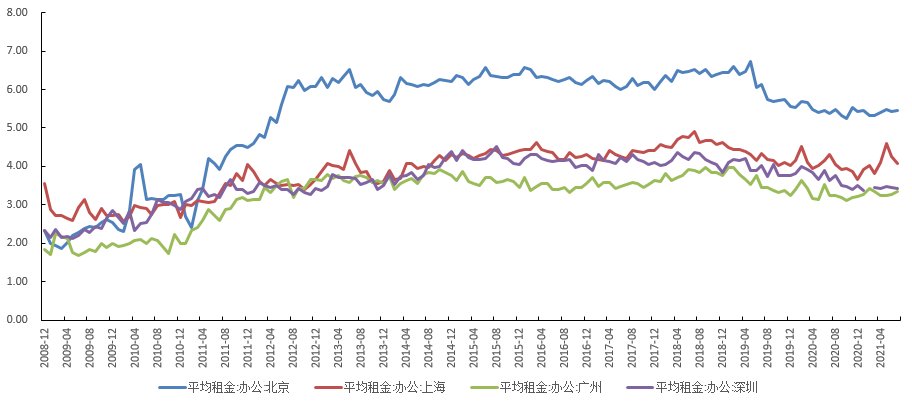
Figure 5: The average office rent in first-tier cities Beijing, Shanghai, Guangzhou and Shenzhen has gradually stabilized after the pandemic, with an average of 4.07 yuan per square meter per day across the four cities, and a rebound in Shanghai
Source: wind
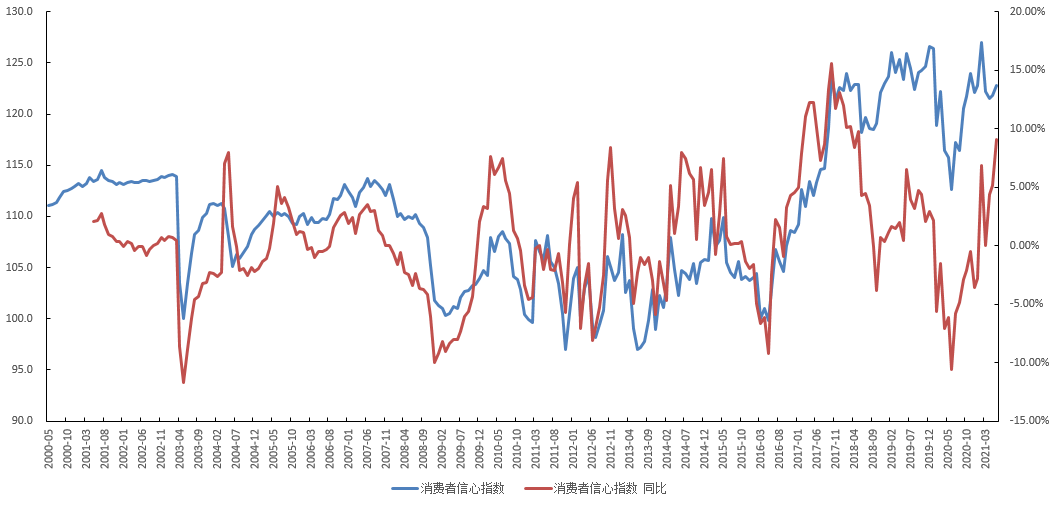
Most MSMEs recovered to a ** extent from the initial impact of the pandemic in 2021, but the resurgence of the pandemic in some regions in the second half of 2021 made the already tight cash flow of MSMEs even worse. Compared with the ** quarter of 2021, the confidence index rebounded sharply in the second quarter of 2021, especially market demand, production and income all exceeded normal levels.
Figure 6: Consumer Confidence Index
Source: wind
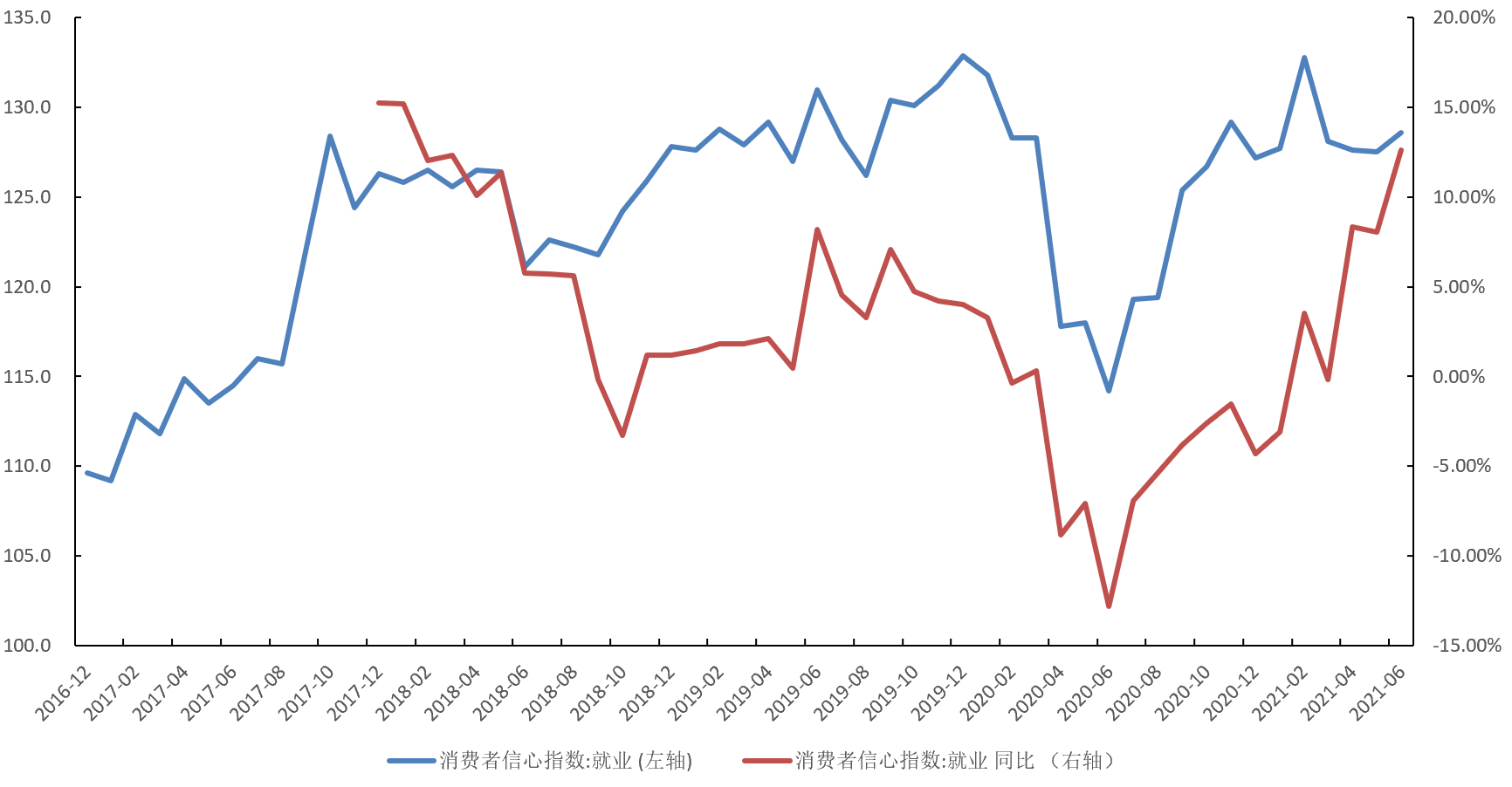
Starting from the second quarter, the Consumer Confidence Index continued to rise, but MSMEs' concerns about costs also continued to climb. Although the employment confidence index was close to the normal level, MSMEs were still unwilling to increase their willingness to hire.
Figure 7: Consumer Confidence Index: Employment
Source: wind
The unexpected COVID-19 pandemic has boosted the online business of micro and small enterprises. Shifting traditional offline operations to online can greatly reduce the costs of MSMEs. However, there is still considerable room for improvement in the digitalization process of MSMEs, and more policy and technical support is needed to promote their transformation.